




Staging is a standardized method used by medical professionals to describe the size, location, and spread of skin cancer within the body. Understanding the different stages helps medical teams determine the most appropriate approach for care and management. The staging process evaluates several specific factors, including the tumor’s thickness, whether abnormal cells have reached nearby lymph nodes, and if the cancer has spread to other organs. By identifying the precise stage, dermatologists establish a clear baseline, and patients can make informed decisions about their health. This structural approach helps everyone involved in the care process share a clear understanding of the situation.
Basal and Squamous Cell Staging
Basal cell carcinoma and squamous cell carcinoma are the two most common types of skin cancer. Medical professionals stage these non-melanoma skin cancers using a system that ranges from Stage 0 to Stage IV.
Stage 0, often called carcinoma in situ, involves abnormal cells that remain confined to the topmost layer of the skin. At this point, the cells have not grown deeper into the surrounding tissue. As the condition progresses to Stage I and Stage II, the primary tumor grows larger or deeper into the skin layers, but it remains localized to the original area. Early detection at these stages increases the options available for effective management.
Stage III indicates that the cancer has spread beyond the primary site to nearby lymph nodes or underlying structures, such as cartilage or muscle. Stage IV means the cancer has metastasized, reaching distant organs, bones, or distant lymph nodes. These non-melanoma cancers typically grow at different rates, but early identification generally simplifies the clinical approach.
Melanoma Staging
Melanoma is less common than basal or squamous cell carcinomas, but it requires a rigorous staging process because it can spread rapidly. Melanoma staging relies heavily on the Breslow thickness scale, which measures tumor depth in millimeters, along with the TNM (Tumor, Node, Metastasis) classification system.
Stage 0 melanoma is completely confined to the outermost layer of the skin. Stage I and Stage II melanomas are thicker, and they may show signs of ulceration. Ulceration means the top layer of skin over the tumor has broken down. Stage III indicates that the melanoma cells have separated from the primary tumor and spread to nearby lymph nodes or lymphatic vessels. Stage IV signifies that the cancer has traveled through the bloodstream or lymphatic system to distant areas of the body, such as the lungs, brain, liver, or gastrointestinal tract. Precise staging is significant for melanoma because it directly influences the timeline and intensity of the care plan.
Common Treatments for Skin Cancer
Treatment plans vary widely based on the cancer’s specific stage, type, and physical location on the body. For early-stage skin cancers, localized methods are often used to remove the affected tissue. Common outpatient procedures for treating localized tumors include:
- Excisional surgery: Removing the tumor along with a margin of healthy tissue.
- Mohs micrographic surgery: Carefully removing thin layers of skin and examining each one, preserving as much healthy tissue as possible while verifying clear margins.
- Cryotherapy: Applying extreme cold to destroy abnormal tissue.
Mohs surgery is especially valued for its precision in conserving healthy tissue while confirming that all cancerous cells are removed.


In more advanced stages, medical teams may need to incorporate systemic treatments. These options can include radiation therapy to target specific areas. Immunotherapy can support the body’s immune response, and targeted drug therapy addresses specific cellular changes. The chosen approach depends on individual patient factors. Thorough medical evaluations and the specific staging parameters are also significant factors in determining appropriate treatment.
Ask a Dermatologist Today
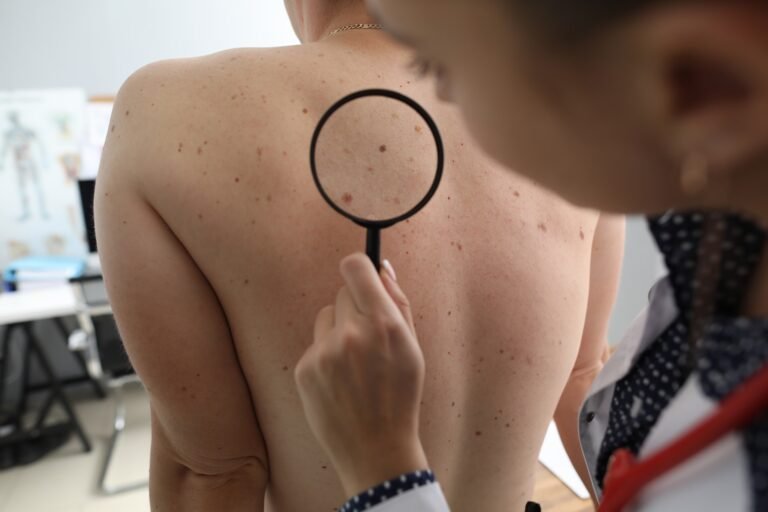
Regular skin checks are a proactive way to monitor changes, and professional evaluations offer valuable assistance. If you notice a new spot, an unusual mole, or a changing lesion, schedule an appointment with a skin specialist. A dermatologist will carefully assess your skin and answer your questions. They can provide the exact guidance you need to protect your skin health.