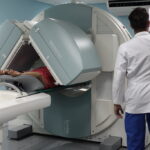








Sleep disorders encompass various conditions that disrupt normal sleeping patterns, and these disruptions may lead to broader physical and psychological complications. Neurology patients may experience changes in their sleep that affect their overall mental well-being. Providers evaluate sleep behaviors to formulate comprehensive patient care plans.
What Are Sleep Disorders?
Medical professionals define sleep disorders as conditions that impair the ability to achieve restful sleep, and they classify them based on specific physiological symptoms. Diagnoses include insomnia, narcolepsy, hypersomnia, obstructive sleep apnea, and restless leg syndrome. Each condition presents unique clinical challenges that require specific diagnostic approaches. A neurologist can order a polysomnogram to monitor brain waves and identify the exact disorder.
Narcolepsy causes sudden sleep attacks during waking hours, and patients may experience severe disruptions to their daily routines. Hypersomnia presents as excessive daytime sleepiness despite adequate nighttime rest. Restless leg syndrome triggers uncomfortable sensations that worsen during periods of inactivity, and the symptoms may peak in the evening. Obstructive sleep apnea physically blocks the airway during rest, requiring proper clinical management.
What Causes Them?
Sleep-related conditions arise from a combination of genetic predispositions and environmental factors, so physicians take thorough patient histories to pinpoint the exact origin. Structural abnormalities in the airway often cause obstructive sleep apnea. Neurological deficits in the brain’s sleep-wake cycle regulation lead to conditions like narcolepsy. Certain medications also alter central nervous system activity, inducing secondary sleep disturbances.
What Are the Symptoms?
Patients with sleep disorders typically report chronic daytime fatigue, and they may experience significant cognitive decline during waking hours. Individuals with insomnia struggle to initiate or maintain sleep throughout the night. Those with restless leg syndrome experience uncomfortable sensations in their lower extremities and a strong urge to move their legs. Sleep apnea patients often exhibit loud snoring alongside brief periods of breathing cessation.
Hypersomnia patients have difficulty waking after long sleep periods, and they may feel disoriented upon rising. Narcoleptic individuals may suffer from sudden muscle weakness known as cataplexy, which appears during moments of strong emotion. Diagnostic criteria require that these symptoms persist for a specified duration before a formal diagnosis is made. Clinicians document all reported physical signs to formulate an accurate diagnosis.
How Is Mental Health Affected?
Chronic sleep deprivation alters neurotransmitter levels in the brain, and this chemical imbalance may trigger psychiatric symptoms. Patients may develop clinical depression following prolonged periods of fragmented sleep. Anxiety disorders exacerbate the initial sleep difficulty, and a cyclical pattern of physiological distress has the potential to develop. Treating the underlying sleep pathology helps resolve the accompanying psychological symptoms.
The lack of restorative sleep impairs the ability to regulate emotions, increasing mood volatility. Irritability and frustration can become common daily occurrences for individuals with untreated sleep conditions. Cognitive impairments make it difficult to manage everyday stress, and patients may experience a lower overall quality of life. Medical intervention addresses both the neurological cause and the resulting mental health effects.



What Are the Treatment Options?
Clinical management of sleep disorders involves a multidisciplinary approach, with physicians potentially combining multiple modalities to improve patient outcomes. Treatment plans typically include both pharmacological interventions and targeted behavioral therapies. Medications help regulate the sleep-wake cycle, and cognitive behavioral therapy addresses the underlying thoughts that disrupt rest. Specialists tailor these protocols to the specific neurological profile of each patient.
Improve Your Sleep Today
Addressing sleep disturbances requires a medical diagnosis, and patients benefit from actively participating in their designated treatment plans. Neurologists can evaluate your symptoms and recommend appropriate clinical interventions. Schedule an appointment with a sleep specialist to discuss your current sleeping patterns.