






Choosing the right dentist for a child can support positive dental experiences and encourage healthy habits from an early age. A pediatric provider should offer more than routine care by creating a comfortable environment and understanding the unique needs of growing patients. Here are several qualities to evaluate when choosing a pediatric dentist:
Assess Pediatric Experience
When evaluating a dentist’s experience with children, there are key factors to assess to provide the best care for your child. These include:
- Specialized Training: Verify whether the dentist has completed further training in pediatric dentistry or child psychology to manage young patients effectively.
- Patient Interaction Methods: Assess how the practitioner interacts with children, noting whether their approach is gentle and supportive.
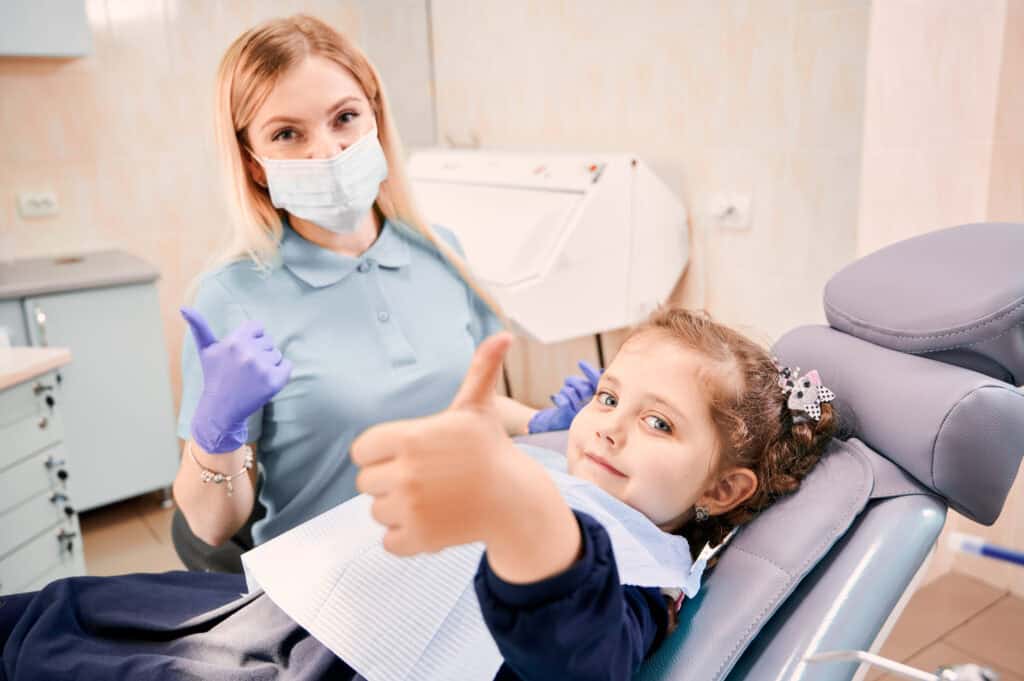
- Office Environment: Check if the dental office is equipped with child-friendly amenities, such as engaging decorations or toys, to create a welcoming atmosphere.
Carefully assessing these aspects can help parents make an informed decision to make sure their child receives skilled and specialized care.
Observe Communication Style
Clear communication builds professional trust between the medical staff and the young patient. A dentist uses specialized behavioral techniques, and the team explains all procedures using age-appropriate language. Medical tools often intimidate children, making it necessary for staff to introduce them gradually.
Direct observation provides objective data about the practitioner’s bedside manner. The doctor should answer technical questions clearly, and the hygienist should monitor the patient’s physical reactions during the exam. If a child expresses physical discomfort, the medical team will halt the procedure. Clinicians must also communicate treatment plans directly to the parents. They explain the medical necessity of specific procedures before beginning any work.
Examine the Office Environment
The physical layout of the clinic can influence the patient’s overall stress levels. Some practices design their waiting rooms for younger demographics, but a functional clinical space remains the primary requirement. You can observe the following elements during the initial consultation:
- Availability of smaller, pediatric-sized medical examination equipment.
- Implementation of strict sterilization and hygiene protocols.
- Clear structural organization of the various examination areas.
These environmental details contribute to a safe clinical procedure. A well-organized office prevents medical errors, and child-sized equipment reduces physical discomfort during examinations.
Review Preventive and Ongoing Care
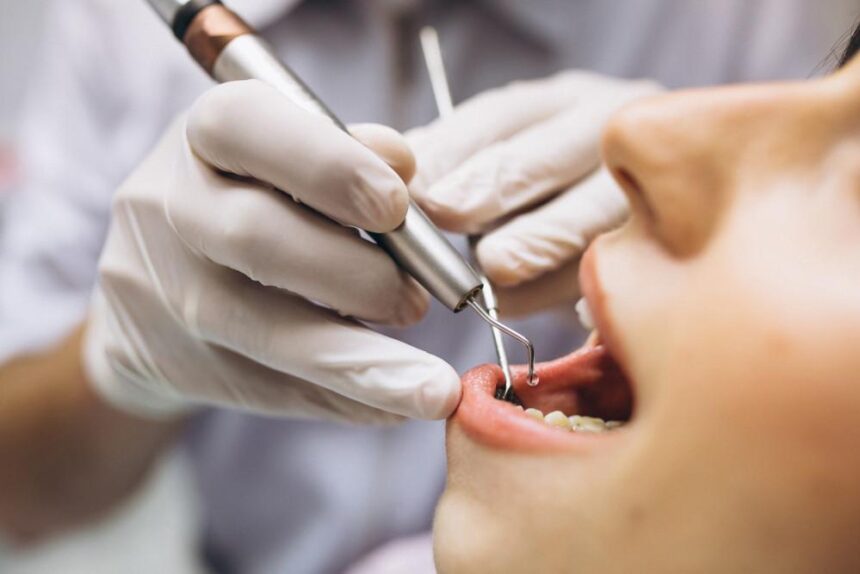
Preventive medicine stops the progression of severe oral diseases. A dentist applies fluoride treatments, and the hygienist removes plaque buildup from the enamel. After the medical team finishes the physical examination, they provide comprehensive instructions on daily brushing habits.



Consistent medical monitoring tracks the development of the jaw and teeth. The clinic should schedule routine checkups or adjust the appointment frequency based on specific health risks. If a patient shows signs of misalignment, the provider can refer them to an orthodontic specialist.
Ongoing care also includes monitoring the effects of nutrition on the patient’s enamel. Practitioners analyze dietary patterns, and they suggest adjustments to prevent future cavities. When you follow these medical recommendations, you help protect the structural integrity of your child’s teeth.
Visit a Dentist Today
Evaluating a pediatric dentist requires checking their qualifications, assessing communication methods, and understanding preventive care models. Parents should analyze these factors and select a provider who meets their criteria. Contact a qualified dentist near you to schedule your appointment today.