





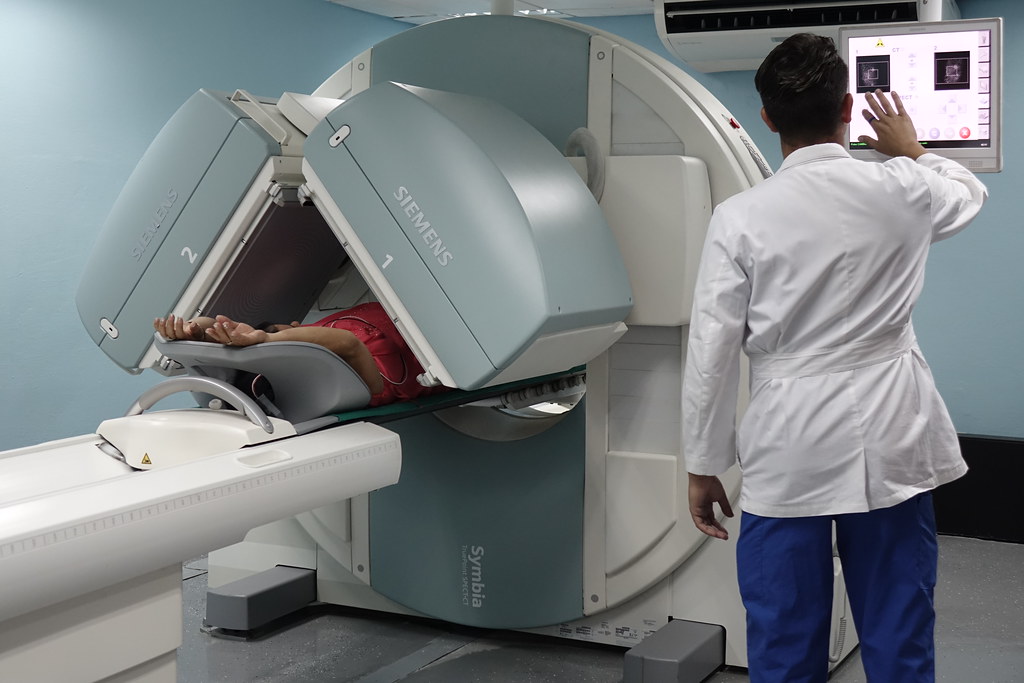

Nuclear medicine is a highly specialized branch of modern medical imaging, and it allows doctors to observe internal body functions very clearly. The field utilizes small amounts of radioactive materials, which help diagnose many different medical conditions. Medical professionals rely on these advanced diagnostic tools for accurate disease detection and patient management. Here is more information about this technology:
Using Radioactive Tracers
Medical technicians inject safe radioactive tracers into the bloodstream, and these specialized materials travel to organs. The circulating tracers emit specific energy signals for advanced medical scanning cameras. When the external cameras detect these internal signals, they generate very detailed images of your organs. The administration methods include:
- Direct intravenous injection
- Oral liquid consumption
- Radioactive gas inhalation
Your specific medical condition determines the exact method of tracer administration used during the procedure.
Evaluating Heart Function
Since the human heart pumps blood constantly, doctors need highly accurate tools to track daily performance. Nuclear cardiology provides nuclear medicine measurement tools, and it tracks overall cardiovascular blood flow very accurately. These detailed functional assessments guide doctors in planning the next steps in your medical care.
A standard resting test shows baseline function, but a supervised exercise test reveals physical stress responses. The entire cardiac imaging process takes several hours from the initial injection to the final scan. If a patient cannot walk on a treadmill safely, doctors use specialized medication to simulate exertion. This alternative pharmacological method produces similar cardiac stress without requiring strenuous physical exercise from patients.
Detecting Coronary Artery Disease
Coronary artery disease affects the major blood vessels that supply your heart muscle with oxygen. Dangerous blockages occur inside the vessels when sticky plaque builds up slowly within the artery walls. Blood flow decreases over time, and the hardworking heart muscle receives far less oxygen than required. This reduced oxygen supply leads to chest pain or other serious cardiac symptoms for patients.
While the early disease stages typically show no symptoms, nuclear scans reveal these hidden arterial blockages. The radioactive tracer highlights areas of poor circulation clearly, and doctors analyze the resulting digital images. Dark spots on the final scan indicate zones of significantly reduced cardiac blood supply. Technologists process these images digitally for a clear view of your heart muscle tissue.
Doctors review all the test data carefully, and they determine the exact severity of arterial blockages. This specific diagnostic information guides your future medical decisions and long-term cardiovascular treatment plans. While some severely affected patients need bypass surgery, others require only targeted medication and lifestyle modifications.



Improving Outcomes
Because nuclear cardiology provides such highly detailed data, it supports accurate medical diagnoses for patients. Early disease detection helps doctors act fast, and prompt clinical treatment helps to prevent further irreversible heart damage. Healthcare providers monitor the ongoing health of the heart over an extended period of time. Regular follow-up scans track the direct effectiveness of your prescribed cardiac medications or surgical interventions.
Find Nuclear Medicine Services
Your primary care doctor can schedule your specialized cardiac imaging procedure at a local diagnostic facility. If you need a comprehensive cardiac scan soon, ask your trusted provider about nuclear medicine options. A radiology clinic offers these advanced medical scans, so contact a receptionist today for booking.