






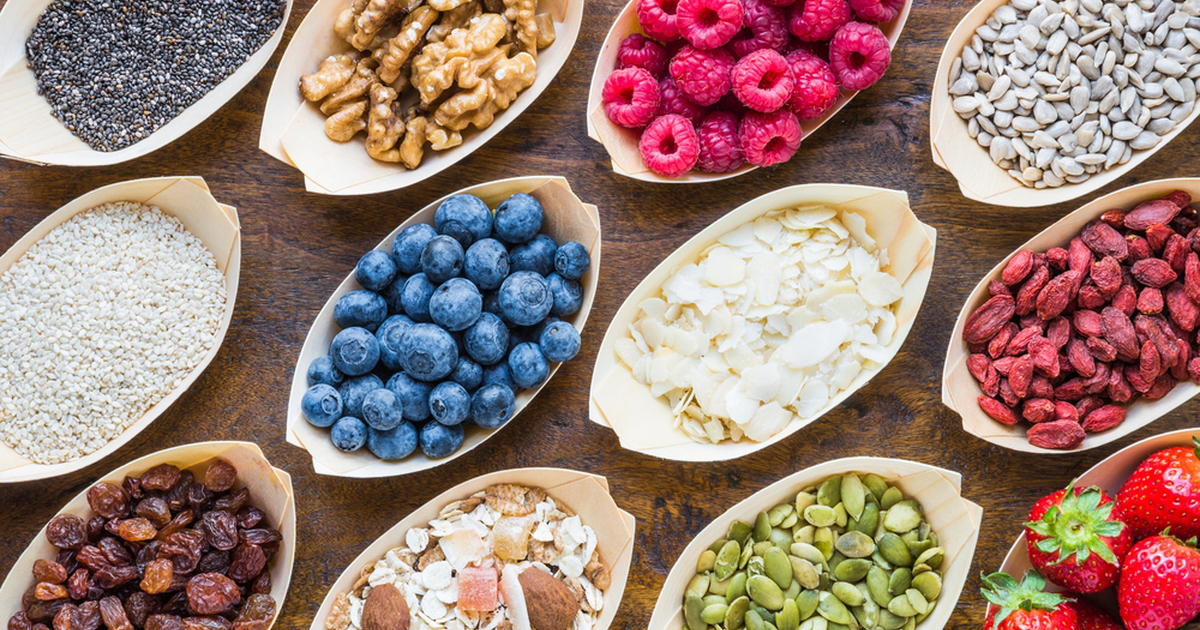

In today’s fast-paced world, maintaining a healthy diet can be challenging. Busy schedules, processed foods, and limited access to fresh ingredients often prevent us from getting the nutrients our bodies need. This is where superfoods come into play. Superfoods are nutrient-rich foods that provide essential vitamins, minerals, antioxidants, and other compounds that support overall health. Including them in your daily diet can help boost immunity, improve energy levels, and reduce the risk of chronic diseases.
In this article, we’ll explore the best superfoods for daily nutrition, explain their benefits, and suggest practical ways to include them in your meals.
What Are Superfoods?
Superfoods are foods packed with nutrients that offer exceptional health benefits. Unlike regular foods, superfoods contain higher amounts of vitamins, minerals, antioxidants, and healthy fats. While no single food can guarantee perfect health, incorporating a variety of superfoods into your diet can make a significant difference in your well-being.
Some key characteristics of superfoods include:
- High nutrient density: They provide more nutrients per calorie than most other foods.
- Antioxidant properties: They help fight oxidative stress and inflammation.
- Health support: They promote heart health, brain function, and immune system strength.
Top Superfoods to Include in Your Daily Diet
Here are some of the best superfoods you can add to your meals every day.
1. Spinach
Spinach is a leafy green vegetable rich in vitamins A, C, and K, as well as iron and calcium. It helps improve bone health, supports eye health, and boosts immunity. You can add spinach to salads, smoothies, or stir-fries for an easy nutrient boost.
2. Blueberries
Blueberries are packed with antioxidants called flavonoids, which help protect your cells from damage. They also support heart health, improve brain function, and may reduce the risk of certain cancers. Enjoy them fresh, in yogurt, oatmeal, or blended into smoothies.
3. Quinoa
Quinoa is a whole grain that is high in protein, fiber, and essential amino acids. It is gluten-free and helps maintain stable blood sugar levels, supports digestion, and provides long-lasting energy. Use quinoa as a base for salads, bowls, or even breakfast porridge.

4. Salmon
Salmon is an excellent source of omega-3 fatty acids, which are essential for heart and brain health. It is also rich in protein and vitamin D. Grilled, baked, or pan-seared salmon can be included in your weekly meal plan for optimal nutrition.
5. Almonds
Almonds are a nutrient-dense nut containing healthy fats, fiber, vitamin E, and magnesium. Regular consumption supports heart health, helps manage weight, and improves skin health. Snack on a handful of almonds or add them to salads and oatmeal.
6. Sweet Potatoes
Sweet potatoes are loaded with beta-carotene, fiber, and vitamins A and C. They help improve vision, support immunity, and promote healthy digestion. Bake, roast, or mash sweet potatoes for a delicious, nutrient-packed side dish.
7. Chia Seeds
Chia seeds are tiny seeds with huge benefits. They are rich in fiber, omega-3 fatty acids, protein, and antioxidants. Chia seeds can help improve digestion, support heart health, and keep you full for longer periods. Add them to smoothies, puddings, or yogurt.
8. Greek Yogurt
Greek yogurt is high in protein, calcium, and probiotics. Probiotics support gut health, which is crucial for overall wellness and immunity. Enjoy Greek yogurt as a snack, breakfast, or in smoothies.
9. Avocados
Avocados are creamy, delicious fruits high in healthy monounsaturated fats, fiber, potassium, and vitamins C, E, and K. They promote heart health, support digestion, and help maintain healthy skin. Add avocado to salads, toast, or smoothies.
10. Broccoli
Broccoli is a cruciferous vegetable rich in vitamins C, K, and folate. It has strong antioxidant properties and helps reduce inflammation, support detoxification, and boost overall immunity. Steam, roast, or stir-fry broccoli for maximum benefits.
How to Incorporate Superfoods Into Your Daily Routine
Including superfoods in your diet doesn’t have to be complicated. Here are simple ways to make them a part of your daily meals:
- Smoothies: Combine berries, spinach, chia seeds, and Greek yogurt for a nutrient-packed breakfast.
- Salads: Add spinach, quinoa, almonds, and avocado to your salads for extra vitamins and minerals.
- Snacks: Keep almonds, blueberries, or Greek yogurt handy for healthy snacking.
- Main Meals: Include salmon, sweet potatoes, or broccoli in your lunch or dinner for a balanced plate.
- Breakfast Bowls: Top oatmeal or porridge with chia seeds, blueberries, and a spoon of Greek yogurt.
By making small, consistent changes, you can enjoy the health benefits of superfoods without feeling overwhelmed.
Benefits of Eating Superfoods Daily
Eating superfoods regularly provides multiple health benefits:
- Improved Immunity: Nutrient-rich foods help your body fight infections and stay healthy.
- Enhanced Energy Levels: Superfoods provide sustained energy throughout the day.
- Heart Health: Foods like salmon, almonds, and avocados support cardiovascular health.
- Better Digestion: Fiber-rich superfoods like quinoa, chia seeds, and sweet potatoes improve gut health.
- Weight Management: Many superfoods are filling and nutrient-dense, helping you maintain a healthy weight.
- Brain Health: Antioxidant-rich foods like blueberries protect your brain from oxidative stress and improve memory.
Tips for Choosing the Right Superfoods
- Fresh and Organic: Whenever possible, choose fresh or organic produce to avoid pesticides.
- Variety is Key: Include a mix of vegetables, fruits, nuts, seeds, and proteins.
- Portion Control: Even healthy superfoods should be eaten in moderation.
- Seasonal Choices: Eating seasonal produce ensures freshness and maximum nutrient content.
- Minimal Processing: Avoid packaged foods labeled as “superfoods” if they contain added sugar or preservatives.
Conclusion
Incorporating superfoods into your daily diet is one of the easiest ways to improve your overall health. Foods like spinach, blueberries, salmon, almonds, and quinoa provide essential nutrients that your body needs for energy, immunity, and longevity. By including a variety of superfoods and following simple meal ideas, you can enjoy delicious meals while reaping the health benefits of nature’s most nutrient-packed foods.
Making small, consistent changes is the key—start with one or two superfoods and gradually expand your daily intake. Your body will thank you!
Frequently Asked Questions (FAQs)
1. What is the difference between superfoods and regular healthy foods?
Superfoods are nutrient-dense foods with exceptionally high levels of vitamins, minerals, antioxidants, and healthy fats. While regular healthy foods are good for you, superfoods provide concentrated benefits that support overall health more efficiently.
2. Can superfoods help with weight loss?
Yes, many superfoods are high in fiber and protein, which keep you full longer and reduce cravings. Incorporating them into a balanced diet can support healthy weight management.
3. How many superfoods should I eat daily?
There is no strict rule, but including 4–6 different superfoods throughout the day in meals and snacks can provide a wide range of nutrients. Variety is more important than quantity.
4. Are superfoods suitable for everyone?
Generally, superfoods are safe for most people. However, individuals with allergies, medical conditions, or specific dietary restrictions should consult a healthcare professional before making major dietary changes.
5. Can superfoods replace medications or supplements?
Superfoods support overall health, but they cannot replace medications prescribed for specific conditions. They are best used as part of a balanced diet and healthy lifestyle.