






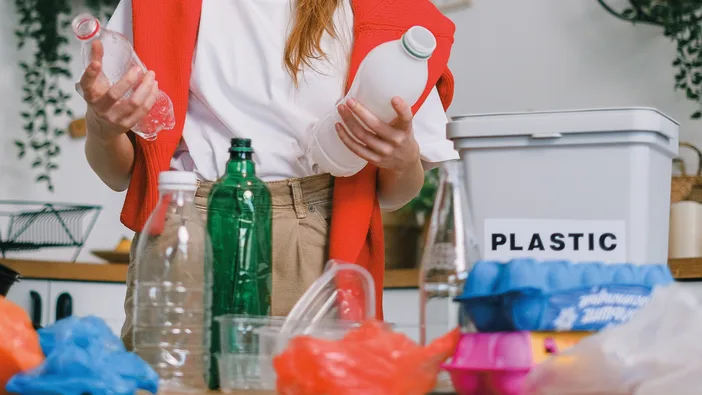

Plastic is everywhere in our daily lives—from water bottles and food packaging to cleaning products and furniture. While convenient, excessive plastic use contributes to environmental pollution, harms wildlife, and even impacts human health. Reducing plastic use at home is not only eco-friendly but also promotes a healthier lifestyle. Fortunately, making small, practical changes can have a big impact over time. This guide will explore effective ways to reduce plastic at home in simple, actionable steps.
Why Reducing Plastic at Home Matters
Plastic is non-biodegradable, meaning it doesn’t decompose easily. Most plastic waste ends up in landfills, rivers, and oceans, taking hundreds of years to break down. This pollution affects marine life, releases harmful chemicals, and even enters the food chain through microplastics.
By reducing plastic use at home, you can:
- Minimize environmental pollution.
- Reduce exposure to harmful chemicals like BPA.
- Save money in the long run by choosing reusable options.
- Encourage a culture of sustainability for your family and community.
1. Switch to Reusable Bags
One of the easiest ways to reduce plastic use is to replace disposable plastic bags with reusable alternatives. Keep a set of sturdy cloth or canvas bags for groceries, shopping, and storage.
Tips for success:
- Store reusable bags in your car or near the front door to remember them.
- Use different bags for groceries, laundry, and general shopping to stay organized.
- Wash cloth bags regularly to keep them hygienic.
Even replacing a few plastic bags per week can significantly reduce your plastic footprint.
2. Avoid Single-Use Plastic Bottles
Plastic water bottles are one of the biggest sources of waste. Switching to reusable bottles is a simple but effective change.
Suggestions:

- Invest in stainless steel or glass water bottles. They are durable and safe.
- Use a water filter at home to reduce the need to buy bottled water.
- Carry your reusable bottle when traveling or exercising.
Over time, this small habit reduces both plastic waste and your monthly expenses.
3. Choose Bulk and Minimal Packaging
Many products, especially groceries, come in excessive plastic packaging. Buying in bulk or choosing products with minimal packaging can significantly reduce plastic use.
Practical steps:
- Purchase grains, nuts, and spices in bulk using your own containers.
- Choose fresh fruits and vegetables over pre-packaged ones.
- Opt for paper, cardboard, or glass packaging instead of plastic when available.
By buying smartly, you not only cut down plastic but also often save money.
4. Use Reusable Food Containers
Plastic containers for storage, lunch, and leftovers are convenient but often made from non-recyclable materials. Switching to reusable alternatives helps reduce waste.
Options to consider:
- Glass containers with airtight lids.
- Stainless steel lunch boxes.
- Silicone food storage bags instead of single-use plastic bags.
These items are long-lasting and safer for food storage, as they don’t leach harmful chemicals.
5. Say No to Plastic Straws and Cutlery
Plastic straws and disposable cutlery are used briefly but last for centuries in the environment. Simple replacements can make a huge difference.
Ideas:
- Carry a set of metal or bamboo straws for beverages.
- Use wooden, bamboo, or metal utensils instead of disposable plastic ones.
- Avoid plastic stirrers and choose reusable spoons or reusable coffee stirrers.
Even skipping these small items in daily life can reduce hundreds of pieces of plastic per year.
6. Switch to Eco-Friendly Cleaning Products
Many cleaning products come in plastic bottles that contribute to waste. Switching to eco-friendly alternatives can reduce plastic use.
Ways to reduce plastic in cleaning:
- Make homemade cleaners using vinegar, baking soda, and lemon juice stored in glass bottles.
- Buy concentrated cleaning products in refillable containers.
- Choose brands that offer plastic-free or refill stations for household cleaners.
This approach not only reduces plastic but also minimizes exposure to harsh chemicals.
7. Shop Mindfully
Reducing plastic requires a conscious effort while shopping. Before making a purchase, think about whether it involves plastic packaging or single-use plastic items.
Tips:
- Bring reusable produce bags for fruits and vegetables.
- Choose products with recyclable or biodegradable packaging.
- Avoid buying items with excessive plastic wrap, especially toys and household items.
Mindful shopping encourages sustainable habits that extend beyond your home.
8. Recycle and Repurpose Plastic
Even if you reduce plastic use, some plastic is unavoidable. Recycling and repurposing are essential to minimize environmental impact.
Suggestions:
- Sort plastic waste and follow local recycling guidelines.
- Reuse plastic containers for storage, organizing, or DIY projects.
- Upcycle plastic into useful items like plant pots, pen holders, or craft materials.
Recycling and reusing keep plastic out of landfills and extend its usefulness.
9. Educate Your Family
Reducing plastic at home works best when the whole family participates. Educating children and adults about the impact of plastic encourages responsible habits.
How to involve your family:
- Teach children the importance of reusable items.
- Make reducing plastic a fun challenge, like a weekly plastic-free day.
- Share tips with family and friends to spread awareness.
Small daily actions combined as a family can create a strong eco-friendly culture at home.
10. Embrace Zero-Waste Alternatives
Zero-waste living encourages avoiding unnecessary plastic altogether. While it may sound extreme, small steps can make it manageable.
Zero-waste swaps include:
- Beeswax wraps instead of plastic cling film.
- Wooden or metal toothbrushes instead of plastic ones.
- Compostable trash bags instead of plastic liners.
Adopting even a few zero-waste habits can dramatically reduce plastic use over time.
Conclusion
Reducing plastic at home doesn’t require drastic changes. It’s about making small, conscious choices every day—from reusable bags and bottles to mindful shopping and zero-waste swaps. By implementing these strategies, you not only contribute to a healthier planet but also create a safer and more sustainable home environment. Remember, every little step counts, and consistency is key. The more people adopt these habits, the bigger the positive impact on our environment.
FAQs About Reducing Plastic Use at Home
1. How can I start reducing plastic without spending a lot of money?
Start with simple swaps like reusable bags, bottles, and containers. Gradually invest in durable alternatives like glass or stainless steel items.
2. Are reusable containers safe for food storage?
Yes, glass, stainless steel, and silicone containers are safe and do not release harmful chemicals like some plastics.
3. What is the best way to handle unavoidable plastic waste?
Recycle properly according to local guidelines and try to repurpose or upcycle plastic before discarding it.
4. Can children help in reducing plastic at home?
Absolutely! Teach them to use reusable items, avoid plastic toys, and make recycling fun and educational.
5. How much plastic can one household realistically reduce?
Even small changes, like replacing bottles, bags, and straws, can reduce hundreds of pieces of plastic per year. With consistent efforts, the reduction can be significant over time.