






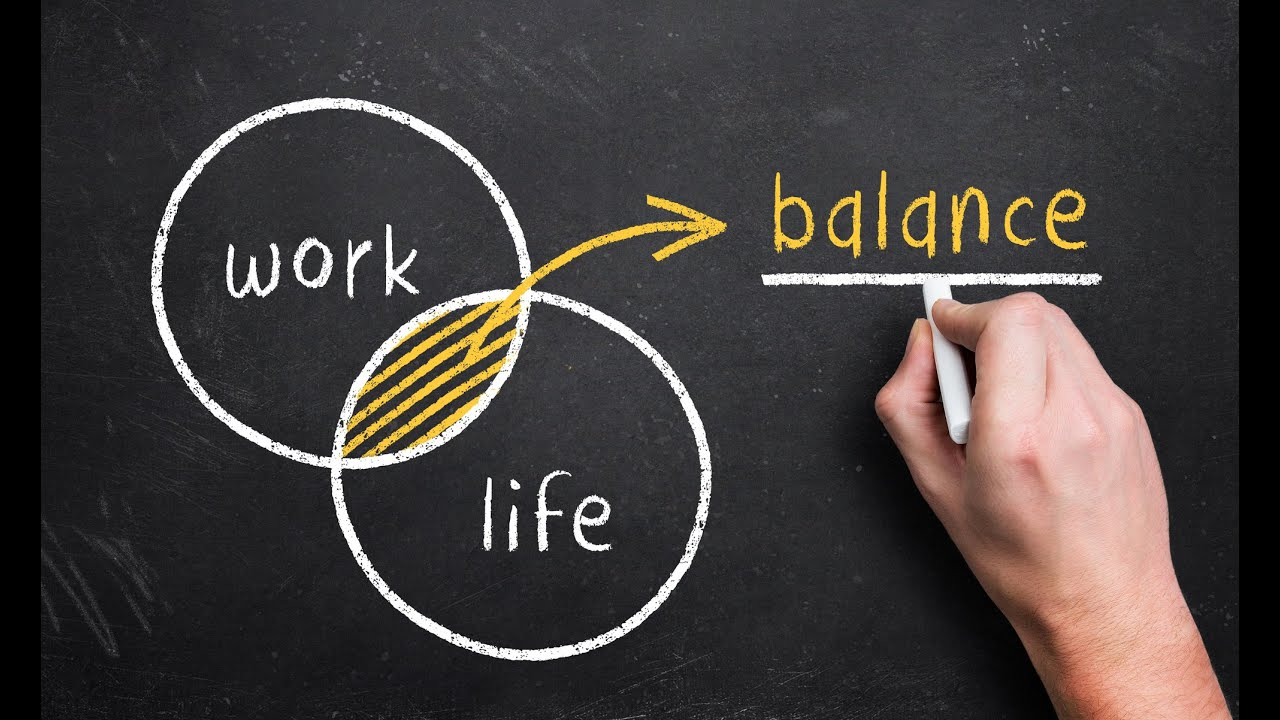

In today’s fast-paced world, balancing work and personal life has become one of the biggest challenges. With deadlines, meetings, and constant connectivity, many people feel like they are always “on,” leaving little time for themselves, their families, or their hobbies. But maintaining a healthy balance is crucial for physical health, mental well-being, and long-term productivity. This article will guide you on practical ways to achieve that balance and lead a fulfilling life.
Understanding Work-Life Balance
Work-life balance is the ability to manage professional responsibilities while also making time for personal activities, family, hobbies, and self-care. It’s not about splitting your day equally between work and personal life; rather, it’s about creating a sense of harmony where neither area dominates the other. When you achieve balance, you feel more satisfied, focused, and energized.
Why Work-Life Balance Matters
- Reduces Stress: Overworking can lead to burnout, anxiety, and chronic stress. Balancing work and life reduces stress and improves emotional resilience.
- Improves Health: Lack of rest and personal time can lead to sleep problems, headaches, and even heart issues. Maintaining balance promotes better physical health.
- Enhances Productivity: People who have balanced lives are more focused and efficient at work because they are mentally and physically rested.
- Strengthens Relationships: Spending quality time with family and friends helps build strong connections and a support system.
- Increases Happiness: Doing things you love outside work contributes to overall life satisfaction and happiness.
Steps to Achieve Work-Life Balance
Balancing work and personal life may seem difficult, but it’s achievable with consistent effort. Here are practical steps you can take:
1. Set Clear Boundaries
Boundaries are essential to prevent work from taking over your personal life. Here’s how:
- Define Work Hours: Stick to specific start and end times for work. Avoid checking emails or taking calls after hours.
- Communicate Your Limits: Let colleagues and managers know your working hours to manage expectations.
- Create a Dedicated Workspace: If working from home, designate a specific area for work to separate professional and personal life.
2. Prioritize Tasks
Effective prioritization reduces stress and ensures you focus on what matters most:
- Use a To-Do List: List daily tasks and mark urgent vs. important ones.
- Avoid Multitasking: Focus on one task at a time for better efficiency.
- Delegate When Possible: Don’t hesitate to delegate tasks at work or home to free up your time.
3. Learn to Say No
Saying yes to everything can lead to overload. Learning to say no respectfully helps protect your time:
- Avoid Unnecessary Commitments: Politely decline tasks or events that do not align with your priorities.
- Respect Your Personal Time: Don’t compromise family time, hobbies, or self-care for work obligations.
4. Make Time for Self-Care
Self-care is vital for mental and physical well-being. Consider incorporating:
- Regular Exercise: Even 20-30 minutes of walking, yoga, or stretching improves energy and focus.
- Healthy Eating: Nutritious meals fuel your body and mind.
- Relaxation Techniques: Meditation, deep breathing, or reading can reduce stress.
- Sleep: Aim for 7-8 hours of quality sleep to recharge your body.
5. Plan Personal Time
Scheduling personal activities ensures you don’t neglect your life outside work:

- Family Time: Dedicate evenings or weekends to family activities.
- Hobbies and Interests: Pursue hobbies that make you happy, like painting, cooking, or sports.
- Social Connections: Spend time with friends to maintain social support.
6. Use Technology Wisely
While technology keeps us connected, it can also blur the line between work and personal life:
- Limit Notifications: Turn off non-essential notifications outside work hours.
- Use Productivity Apps: Tools like calendars, reminders, and project management apps can help organize tasks efficiently.
- Schedule “Digital Detox”: Allocate certain times of the day to disconnect from screens and enjoy offline activities.
7. Learn Time Management Skills
Good time management is crucial for balance:
- Break Tasks into Smaller Steps: Tackling tasks in small steps reduces overwhelm.
- Use Time Blocks: Allocate specific time for work, personal projects, and relaxation.
- Review and Adjust Weekly: Reflect on your week to see if your work-life balance is improving and make necessary adjustments.
8. Seek Support When Needed
Sometimes, balancing work and personal life requires external support:
- Talk to Your Manager: Discuss workload and flexibility options.
- Involve Family: Share responsibilities at home to reduce stress.
- Professional Help: Consulting a life coach or therapist can help manage stress and set priorities.
Common Challenges and Solutions
Balancing work and personal life isn’t always easy. Here are some common challenges and ways to overcome them:
- Constant Connectivity: Turn off work emails after hours and set boundaries with coworkers.
- Heavy Workload: Prioritize tasks, delegate when possible, and avoid overcommitting.
- Family Demands: Schedule quality family time and communicate openly about your responsibilities.
- Personal Guilt: Remember that taking time for yourself increases your effectiveness at work and home.
- Lack of Planning: Use calendars, reminders, and weekly plans to stay organized.
Final Thoughts
Achieving a balance between work and personal life is a continuous process, not a one-time goal. It requires self-awareness, planning, and conscious effort. By setting boundaries, prioritizing tasks, taking care of yourself, and making time for loved ones, you can create a lifestyle where both your professional and personal needs are met. A well-balanced life leads to reduced stress, stronger relationships, better health, and greater overall happiness.
FAQs
1. How can I stop work from affecting my personal life?
Set clear work hours, communicate boundaries with colleagues, and avoid checking emails or taking calls after work.
2. Is it okay to work extra hours occasionally?
Yes, but it should not become a habit. Occasional extra work is fine, but regular overworking can lead to burnout.
3. How can I make time for hobbies with a busy schedule?
Schedule hobbies just like work meetings. Even 30 minutes a day dedicated to activities you enjoy can make a big difference.
4. Can work-life balance improve my mental health?
Absolutely. Balancing work and personal life reduces stress, anxiety, and depression while increasing happiness and emotional resilience.
5. What should I do if my employer doesn’t support work-life balance?
Communicate your needs clearly, seek flexible working options, delegate tasks, and focus on time management to protect your personal time.